Call Us
+60 10 8808 195
+60 10 8808 195
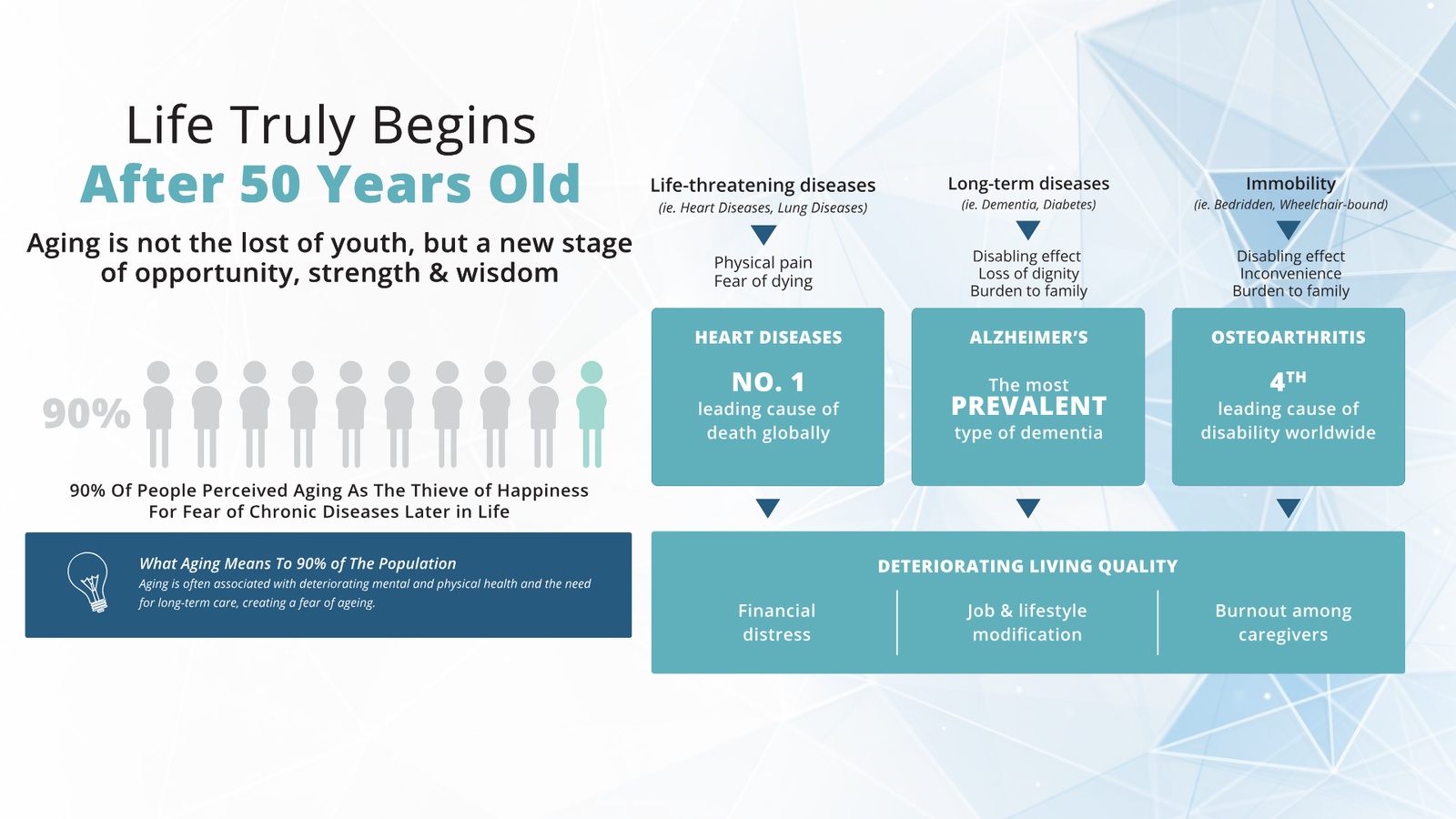
Aging occurs biologically as a result of the accumulation of numerous types of molecular and cellular damage over time. This causes a slow loss of physical and mental ability, a rise in the risk of disease, and finally death.
Stem cells have the capacity for multiple types of differentiation as well as self-renewal. Under typical physiological settings or in response to injury, they mediate tissue development and regeneration. There is increasing evidence that stem cells are affected by the aging process. As the body ages, the ability of stem cells to renew themselves and differentiate into specific cell types decreases.
Understanding how aging affects stem cell function is crucial for the development of effective stem cell-based therapies to treat age-related diseases and for gaining insight into the underlying mechanisms of aging-associated disorders.
Our stem cells in the body decrease as we age.
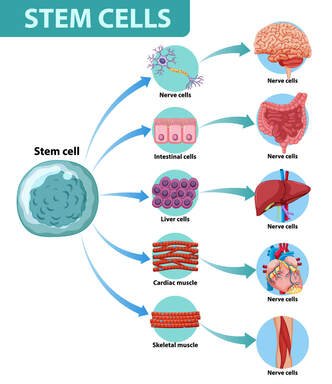
Stem cells differentiation processes that occur in the human body
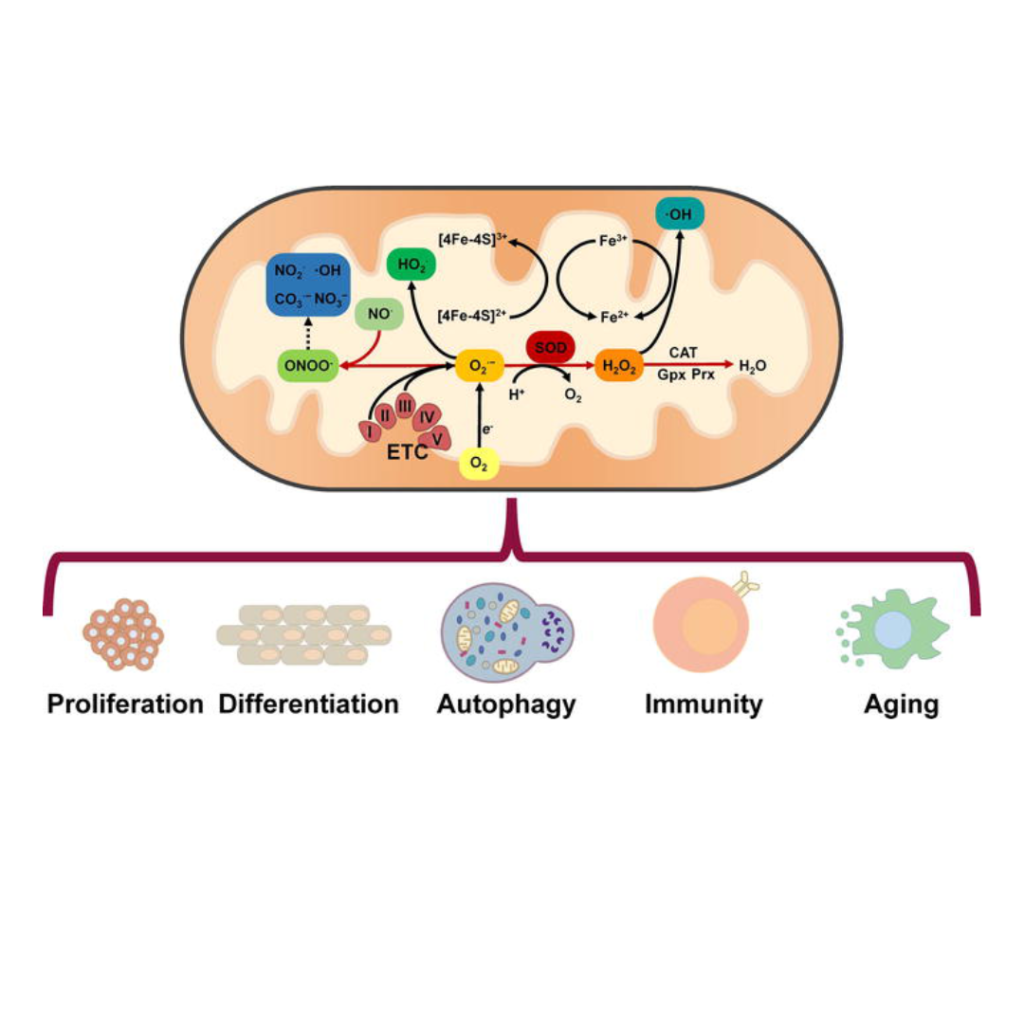
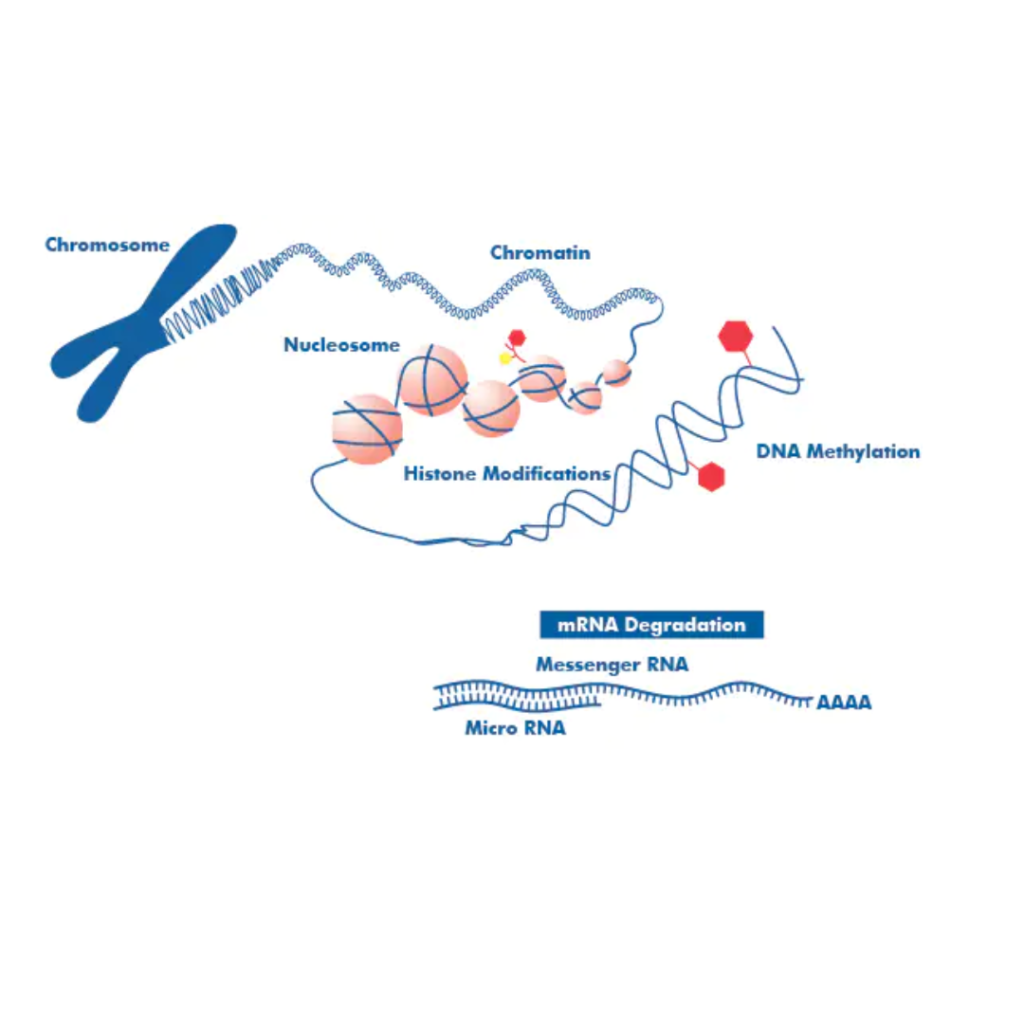
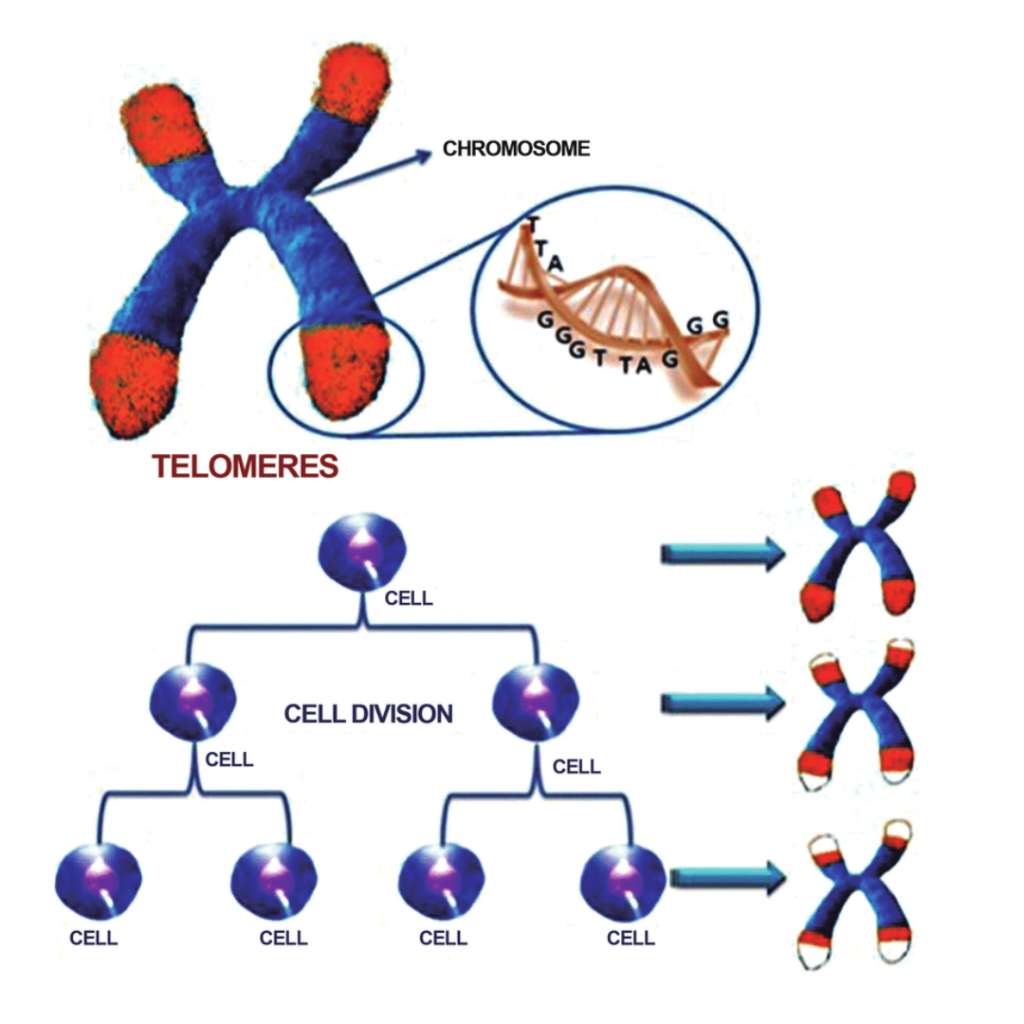
Daughter cells inherit epigenetic markers from stem cells, which prime lineage-specific loci for change in subsequent offspring. Alterations in epigenetic regulation have an impact on stem cell aging, haematological cancer susceptibility, and organismal aging. Many aging-related disorders are likely caused in part by a number of potential processes that are thought to contribute to stem cell malfunction with aging. Below are some of the causes of stem cell degeneration:
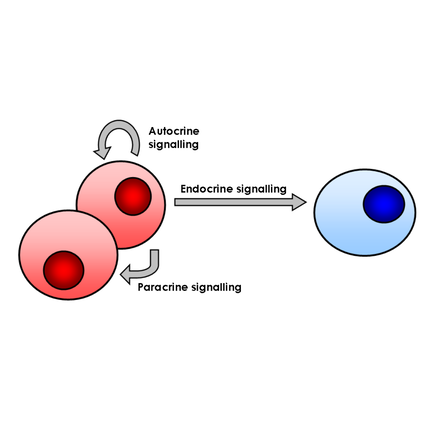
Microenvironment
Microenvironment
Microenvironment
Microenvironment
Microenvironment