CelltiNK is a type of cytotoxic lymphocyte critical to the innate immune system. The role CelltiNK plays is analogous to that of cytotoxic T cells in the adaptive immune response.
CelltiNK provides rapid responses to virus-infected cells, acting within days after being administered and responding to tumour formations. Typically, immune cells detect major histocompatibility complex (MHC) present on infected cell surfaces, triggering a release of cytokines and causing tumour lysis or apoptosis.
What are Natural Killer Cells?
Natural killer (NK) cells are effector lymphocytes of the innate immune system that control several types of tumors and microbial infections by limiting their spread and subsequent tissue damage.
How Does it Work?
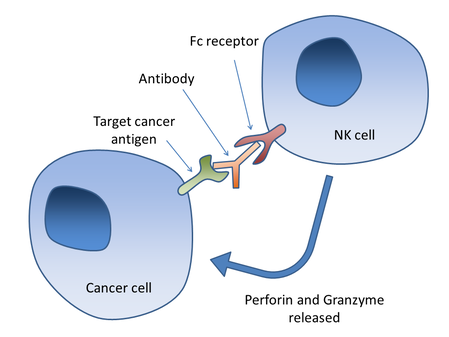
Natural Killer (NK) cells recognize abnormal or infected cells through a combination of activating receptors and inhibitory receptors.
NK cells eliminate cancer cells by releasing perforins and granzymes. When NK cells come into contact with cancer cells, they form immune synapses to deliver the killing blow. Mature NK cells are differentiated from hematopoietic stem cells in the bone marrow.
Treatable Conditions
Type 1 Diabetes
Type 1 diabetes is a chronic condition in which the immune system attacks and destroys insulin-producing cells in the pancreas. It was previously referred to as juvenile diabetes or insulin-dependent diabetes.
Rheumatoid Arthritis
An autoimmune and inflammatory disease where the immune system mistakenly attacks healthy cells in the body, causing inflammation and pain in the affected joints, often multiple joints simultaneously.
Systemic Lupus Erythematosus
Autoimmune disease in which the immune system mistakenly attacks its own tissues, causing widespread inflammation and tissue damage in various affected organs such as the joints, skin, brain, lungs, kidneys, and blood vessels.
Cancer
Cancer refers to a group of diseases characterized by abnormal cell growth that has the ability to invade or spread to other parts of the body.
Asthma
Asthma is a chronic lung disease that causes wheezing, shortness of breath, chest tightness, and coughing, particularly at night or in the early morning. It is a common long-term condition that affects both children and adults.
Viral Infection
Infection caused by the presence of a virus in the body. Depending on the virus and the person’s state of health, various viruses can infect almost any type of body tissue, from the brain to the skin.
What is Cancer ?
Cancer is a disease in which some of the body’s cells grow uncontrollably and spread to other parts of the body. Cancer can start almost anywhere in the human body. Normally, human cells grow and multiply (through a process called cell division) to form new cells as the body needs them. When cells grow old or become damaged, they die, and new cells take their place. Sometimes this orderly process breaks down, and abnormal or damaged cells grow and multiply when they shouldn’t. These cells may form tumors, which are lumps of tissue. Tumors can be cancerous or not cancerous (benign).
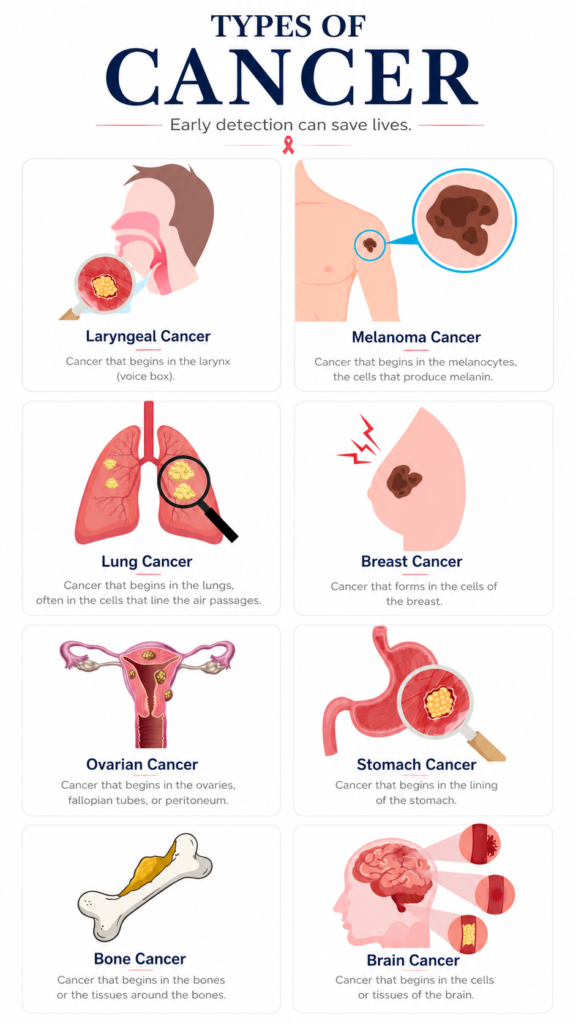
Type of cancers
Natural Killer (NK) cells recognize abnormal or infected cells through a combination of activating receptors and inhibitory receptors.
NK cells eliminate cancer cells by releasing perforins and granzymes. When NK cells come into contact with cancer cells, they form immune synapses to deliver the killing blow. Mature NK cells are differentiated from hematopoietic stem cells in the bone marrow.
Unique Properties of Stem Cells
Distinguish Target Cell
CelltiNK can distinguish between infected and uninfected host cells they are able to target and kill infected cells.
Rapid Responses to Virus-Infected Cells
CelltiNK provides rapid responses to virus- infected cells, acting within days after being administered and responding to tumour formations.
Works like Cytotoxic T Cells
CelltiNK is analogous to that of cytotoxic T cells in the human adaptive immune response
During your consultation, we will..
Review your medical history & recent evaluations
Explore what your treatment package might look like
Answer any questions you have about us
Answer any questions you have about the therapies
Discuss practical next steps, if you feel we can effectively treat you
Book a Consultation
Eco City
Unit 5-2, Pillar 8, Menara Pacific 3A, KL Eco City, 59200 Wilayah Persekutuan KualaLumpur, Kuala Lumpur